
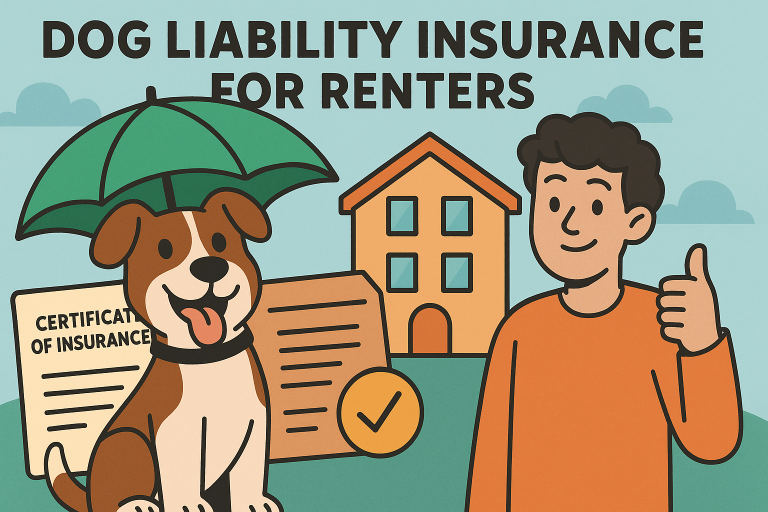
You just found the perfect apartment. It is pet-friendly, close to work, and has a park nearby. But then the landlord hands you the lease and says, “We’ll need proof of dog insurance before move in.” You are not alone if you are surprised or unsure what that means.
This guide aims to help you understand dog liability insurance, why landlords ask for it, and how renters like you can protect your furry friend and your finances.
What is Dog Liability Insurance?
Dog liability insurance is a type of coverage that protects you financially if your dog causes injury or property damage. If your dog bites someone, knocks over a neighbor, or damages someone else’s belongings, you could be held legally responsible. This insurance helps cover medical bills, legal costs, and repairs—so you are not paying everything out of pocket.
In many cases, this coverage is included under a renters insurance policy. However, not all policies automatically include it, and some exclude specific breeds. That is why it is often called “renters insurance for dogs” or “dog insurance for apartments.” The key is to make sure your policy includes liability coverage that specifically applies to dog-related incidents.
Also Read: What Is a COI?
Who Should Read This Guide?
This guide is especially helpful for:
- Renters with dogs who are asked to show a dog liability COI (Certificate of Insurance) before moving in.
- Owners of restricted or aggressive breeds such as Pit Bulls, Rottweilers, or Dobermans, who may face extra requirements from landlords or property managers.
- Landlords who want a basic understanding of why tenants may need proof of dog insurance and what it covers.
Whether you are trying to rent an apartment or already living in one with your dog, understanding this type of coverage is crucial.
What This Guide Will Cover
The FAQ section is part of a full guide that will walk you through everything you need to know about dog liability insurance. Here is what you can expect:
- The difference between general renters insurance and dog-specific liability coverage
- How to request a dog liability COI and what it should include
- Which breeds are most often restricted and how to find coverage
- What to do if your landlord requires proof of dog insurance before lease signing
- Tips for getting insurance for renters with dogs at a reasonable rate
- Common misunderstandings about dog-related claims and what to avoid
Whether you rent in a major city or a small town, having the right dog liability insurance gives you peace of mind—not just for you but also for your landlord and neighbors.
Ready to learn more? The next section breaks down how to find the right policy and what to look for in the fine print.
Let’s make sure your best friend never costs you your security deposit—or worse.
What Is Dog Liability Insurance?
Dog liability insurance is a type of coverage that protects you if your dog causes injury to someone or damages someone else’s property. It is designed to help pay for medical bills, legal costs, and repair expenses if your dog bites someone, knocks someone over, or breaks something that does not belong to you. In short, it covers you when your dog creates a costly problem.
Dog liability insurance is not the same as pet health insurance. Pet health insurance pays for your dog’s medical needs like checkups, surgeries, or illness treatment. Dog liability insurance, on the other hand, covers other people’s costs if your dog causes harm. If your dog gets sick, pet health insurance might help. If your dog bites a neighbor or breaks their fence, liability insurance steps in to protect you financially.
Common Use Cases
Many people think, “My dog is friendly. I probably do not need this.” But even the calmest dogs can react unexpectedly. Typical situations where liability insurance for dog bites or damage might be used include:
- Your dog bites a delivery person, and they need medical care.
- Your dog knocks over a guest who then files a claim for injuries.
- Your dog chews through a neighbor’s fence or damages apartment property.
- A lawsuit is filed, and you need to pay legal defense fees.
In these situations, dog liability insurance can help you avoid paying thousands of dollars out of pocket.
How It Fills the Gaps in Renters or Homeowners Insurance
Some renters and homeowners policies include limited coverage for dog-related incidents. However, many of them have restrictions. Certain breeds may be excluded, or your policy may only cover up to a small dollar amount. That means if your dog causes serious injury or damage, you might still be stuck with large bills.
Dog liability insurance helps fill these coverage gaps. If your current renters or homeowners policy excludes pets or limits coverage, a standalone or added dog liability policy can help provide the protection you need. It also offers peace of mind when a landlord, dog park, or boarding facility asks for proof of dog liability insurance or a Certificate of Insurance (COI).
Why It Matters
Even if your dog is well-trained and social, accidents can happen. Having coverage in place can protect your savings, help you meet rental or lease requirements, and make it easier to resolve issues quickly if something goes wrong.
In today’s world, where lawsuits are common and pet-related restrictions are increasing, knowing you have liability insurance for dog bites and other incidents is simply smart. It shows you are a responsible pet owner and keeps you ready for the unexpected.
Looking to understand how this coverage fits your situation? Keep reading. We will explain how to check your current policy and how to get the right protection for your dog, your home, and your peace of mind.
Who Needs Dog Liability Insurance?
If you have a dog, you probably know that being a responsible pet owner means more than food, water, and walks. It also means preparing for the unexpected. That is where dog liability insurance comes in. But who really needs it? Let’s break it down.
Renters with Dogs
If you are a renter, especially in a pet-friendly apartment or rental home, dog liability insurance is often not optional—it is required. Many landlords now include dog insurance requirements for tenants in the lease agreement. You may be asked to show proof of insurance before you move in or when you renew your lease.
This is especially true if you live in a city with tighter pet restrictions. Cities with high population density or stricter housing codes may require added protection for any tenant with a dog. Dog liability insurance for renters helps protect against accidents like bites, property damage, or someone tripping over your pup in a shared hallway. It can also help ensure you do not lose your security deposit if your dog causes damage.
Owners of Banned or Restricted Breeds
Do you have a Pit Bull, Rottweiler, Doberman, or another breed commonly flagged as “aggressive”? Even if your dog is sweet and well-behaved, breed restrictions can still apply. Many landlords, insurance companies, and city ordinances limit or ban certain breeds unless you can show proof of additional insurance coverage.
Having dog liability insurance shows that you are prepared to take financial responsibility if an incident occurs. This kind of coverage can help you keep your home, stay in compliance with local regulations, and avoid costly legal issues.
Homeowners Who Want Extra Coverage
Even if you own your home, you might not be fully covered. Some homeowners insurance policies exclude certain dog breeds or cap the amount they will pay out for dog-related incidents. You could still be on the hook if your dog injures a guest or damages a neighbor’s property.
Dog liability insurance fills these gaps. It provides peace of mind, especially if you frequently have visitors or live in a neighborhood with kids, joggers, or lots of foot traffic. Accidents can happen in seconds; this insurance can help cover legal defense fees and injury-related costs.
People Living in Pet-Restricted Cities
In some cities, there are special rules around pet ownership. This might include leash laws, noise restrictions, and even required proof of insurance. If you live in one of these areas, dog liability insurance helps you stay compliant and avoid fines or eviction.
Airbnb Guests and Hosts with Dogs
Accidents can happen whether you are bringing your dog on vacation or hosting guests with pets. A dog bite or property damage claim can quickly become expensive. Airbnb may offer limited protection but is not tailored to pet incidents. Dog liability insurance helps cover you in case your dog damages furniture, injures another guest, or causes a disturbance.
No matter where you live or what kind of dog you have, dog liability insurance is a smart step toward protecting yourself and your pet.
What Does Dog Liability Insurance Cover?
Dog liability insurance is designed to protect you financially if your dog causes harm to someone else or damages property. While every policy can vary a bit, most follow a similar structure. If you are wondering exactly what is covered under this kind of insurance, here is a clear breakdown.
Bodily Injury to Others
The most common reason people get dog liability insurance is for dog bite liability coverage. If your dog bites someone—whether it is a guest, neighbor, delivery driver, or someone at the park—you could be held legally and financially responsible. Medical costs for a dog bite can add up quickly, even for minor injuries. Dog liability insurance helps pay for those expenses so you are not left covering them on your own.
But it is not just about bites. If your dog jumps on someone and knocks them down, causing a broken wrist or sprained ankle, that is also typically covered. The policy helps pay for things like emergency room visits, follow-up doctor appointments, or physical therapy related to the injury.
Property Damage
What if your dog chews through a neighbor’s fence or scratches the floors in a rental unit? Dog liability insurance often includes coverage for insurance for dog damages like this. Whether your dog breaks a lamp during a family gathering or damages someone’s landscaping, the policy can help cover the repair or replacement costs.
This kind of protection is especially useful for renters or people who bring their dogs to other people’s homes or public spaces. Accidents happen, and being covered makes it easier to resolve them without stress or out-of-pocket costs.
Legal Costs and Lawsuit Defense
Sometimes, it is not just about the cost of the damage—it is about what happens after. If someone decides to sue you over a dog-related incident, legal fees can add up fast. Dog liability insurance usually includes coverage for legal defense, even if you are ultimately found not at fault.
The policy can help pay for attorney fees, court costs, settlements, and more. Having this coverage means you do not have to go it alone if a legal claim is filed against you. It provides support and protection when you need it most.
Optional Coverages
Depending on the insurer and your policy, you may be able to add extra protection. This might include coverage for incidents that happen outside of your home, coverage for pets with a history of aggression, or higher limits for serious injuries and lawsuits.
If you frequently travel with your dog or participate in activities like dog sports or group training classes, optional coverages can help ensure your protection no matter where your dog goes.
Dog liability insurance typically covers three key areas: bodily injury, property damage, and legal defense. With optional extras available, it can be tailored to fit your situation. Whether you are dealing with a bite, a broken item, or a court case, having dog bite liability coverage or insurance for dog damages in place gives you peace of mind and a plan.
What Doesn’t Dog Liability Insurance Cover?
Dog liability insurance is an important safeguard for pet owners, especially those renting or living in pet-restricted areas. But while it can help protect you from many dog related financial risks, there are also clear limits to what it will pay for. Understanding these dog insurance exclusions can help you avoid unexpected surprises when you file a claim.
Here is a breakdown of what dog liability insurance does not cover.
Injuries to the Dog Owner or Household Members
If your own dog injures you or someone in your household, those injuries are not covered. Dog liability insurance is designed to protect you from costs tied to injuries or property damage caused to others, such as a neighbor, guest, or delivery person. If you are bitten or knocked down by your dog, you will need to rely on your personal health insurance, not the dog’s liability policy.
This is one of the most common denied dog claims that pet owners are surprised by. Simply put, if the injured person lives in your home, they are not considered a third party and are not covered by liability insurance.
Routine Vet Bills or Pet Illness
Dog liability insurance is not the same as pet health insurance. It will not cover routine care like checkups, vaccinations, flea prevention, or illness treatment. If your dog gets sick or needs surgery for a health issue, those costs are your responsibility unless you have a separate pet health policy.
It also will not cover injuries your dog causes to itself. For example, if your dog gets hurt while running in the yard or fighting another dog, those vet bills are not covered under a liability policy.
Damage to Your Own Property
If your dog chews up your sofa, digs up your backyard, or breaks your TV, dog liability insurance will not help with those costs. It only covers damage done to other people’s property, not your own.
Even if the damage occurs in a rental unit, many policies will not cover wear-and-tear or damage considered part of normal pet behavior. However, if your dog destroys something belonging to the landlord or causes damage that goes beyond basic cleaning or repairs, it is worth checking your coverage limits and exclusions.
Uninsurable or Excluded Breeds
Some insurance companies have restrictions on certain breeds. This means even if you have a policy, your dog might be excluded from coverage based on its breed or past behavior. Breeds that are often excluded include Pit Bulls, Rottweilers, Dobermans, and others labeled as high-risk.
If your dog has a history of aggression, bites, or previous claims, you may also be denied coverage or have limited options. This is why reviewing your policy and asking about dog insurance exclusions is so important before assuming you are fully protected.
Dog liability insurance is a smart choice, but it does not cover everything. Be aware of common denied dog claims, such as injuries to household members, vet bills, damage to your own property, and uninsurable breeds. Knowing the limits helps you plan ahead and stay protected where it counts.
COI (Certificate of Insurance) Explained: What Dog Owners Need to Know
If your landlord, HOA, or property manager has asked you for a COI before you move in with your dog, you are not alone. More and more property owners are requiring dog owners to show proof of liability coverage. It might sound complicated, but getting a COI for dog insurance is usually a straightforward process—as long as you know what it is and how it works.
This guide will walk you through what a COI is, why it matters, what it includes, how to get one, and what to do if things go wrong. Whether you are a renter, a homeowner under HOA rules, or just someone trying to meet a landlord dog liability requirement, this will clear things up.
What Is a COI for Dog Insurance?
COI stands for Certificate of Insurance. It is a one-page document that proves you have active dog liability insurance. Think of it like a receipt or snapshot of your coverage. It does not show every detail of your policy, but it provides the key information landlords or HOAs want to see—especially when they are trying to manage risk.
In the context of dog insurance proof, a COI confirms that your policy is current, includes liability coverage, and meets any specific coverage limits required by the property owner.
Why Landlords or HOAs Require a COI
Landlords and homeowners’ associations have good reasons to ask for this document. Dog-related incidents—like bites, scratches, and property damage—can lead to expensive medical bills or lawsuits. If something goes wrong and your dog is involved, the property owner could be dragged into the situation if you are uninsured.
That is why many rental leases and community bylaws now include landlord dog liability requirement clauses. Requiring a COI helps them verify that:
-
You have an active policy
-
The coverage limit meets their minimum standard
-
Their property is listed as an “additional insured,” if required
-
There is protection in place if a claim arises from your dog’s behavior
Providing a COI shows that you are a responsible tenant and reduces the property owner’s risk.
What’s Listed on a COI?
A COI for dog insurance generally includes the following information:
-
Your name and contact information
-
Name of the insurance provider
-
Policy number
-
Effective dates (start and end of the coverage)
-
Type of insurance (liability, and sometimes optional coverages)
-
Liability limit (e.g., $100,000 or more)
-
Additional insured section (if requested by landlord or HOA)
It is not a full copy of your insurance policy. It is a summary that confirms the policy exists and outlines the essential terms.
How to Get a COI Quickly
Once you purchase dog liability insurance, you can usually request a COI right away. Most insurers offer digital delivery within minutes. Here is how to get one quickly:
-
Log in to your insurance account or contact customer service.
-
Request a Certificate of Insurance—some platforms let you generate it instantly.
-
Make sure to include any special requests, such as naming your landlord or HOA as an “additional insured.”
If your landlord has specific wording or formatting requests, share that in advance. That way, your COI will meet their exact requirements the first time around.
What Happens If Your COI Gets Rejected?
Sometimes, a COI gets turned down. This usually happens for one of a few reasons:
-
The policy limit is too low
-
Your dog’s breed is excluded from coverage
-
The document does not name the landlord or HOA as additional insured
-
The coverage dates are expired or do not match the lease term
-
The insurer is not licensed or recognized in the state
If your dog insurance proof gets rejected, ask the landlord or HOA exactly what is missing or wrong. Then contact your insurance provider to update the COI. In many cases, it can be fixed the same day. Just make sure to double-check the corrected version before resubmitting.
Common COI Mistakes to Avoid
To prevent delays, here are the most common COI mistakes dog owners make—and how to avoid them:
-
Not requesting the additional insured section. If your landlord asks to be named, make sure it appears on the COI.
-
Using an expired policy. Always check the coverage dates before sending the certificate.
-
Forgetting to match the policy to lease requirements. If your lease requires $100,000 in coverage and your policy only offers $50,000, it may be rejected.
-
Submitting the full policy instead of the COI. Your landlord only needs the COI, not a 30-page insurance document.
-
Missing or incorrect property address. The address listed for the insured location should match your rental or the HOA’s records.
Being proactive helps. Ask your landlord or HOA for an example of what they expect, and work with your insurer to match it closely.
Getting a COI for dog insurance might feel like a small task, but it plays a big role in protecting you and your property manager. It shows that you have taken steps to handle your responsibilities as a dog owner and gives your landlord confidence that you are covered.
Whether you are moving into a new apartment, renewing your lease, or just staying compliant with HOA rules, having the right dog insurance proof can make the process smoother and protect everyone involved. Keep your COI on hand, make sure it stays current, and update it anytime you change policies or move.
Need help determining whether your COI meets your landlord’s requirements? Read our FAQ to learn how to review, update, or submit your document correctly.
Dog Liability Insurance for Renters: What You Need to Know
If you rent your home and have a dog, there is a good chance your landlord or HOA will ask for proof of liability coverage. This is becoming more common in apartment complexes, condos, and pet-restricted housing. Whether your lease includes specific pet clauses or you live in a city with breed-related rules, having a renters’ liability dog policy can help you stay compliant and protect your finances.
Renters can meet these insurance requirements by submitting a Certificate of Insurance (COI) and working with landlords who may be hesitant about dogs.
Meeting Lease or HOA Requirements
Many leases now include a clause that requires dog-owning tenants to carry liability insurance. This typically applies to dogs over a certain weight, specific breeds, or any household with pets. Homeowners associations may also have similar rules, especially if you live in a condo or townhome community with shared spaces.
A dog insurance for apartment lease helps satisfy these requirements. The policy usually needs to:
-
-
Cover third-party bodily injury and property damage
-
Meet a minimum liability amount, often $100,000 or more
-
Be active for the duration of your lease
-
Include the landlord or HOA as an “additional insured” if requested
-
Before purchasing a policy, ask your landlord or HOA for their specific requirements. Then make sure the policy you select matches their expectations.
How to Submit a COI
Once your policy is active, you will need to submit a Certificate of Insurance (COI) to your landlord or property manager. This is the official document that proves your coverage is current and valid.
Here’s a simple step-by-step:
-
-
Request the COI from your insurance provider. Many offer instant digital access.
-
Make sure it includes your name, the policy dates, and coverage details.
-
If your landlord requires it, include them as an additional insured.
-
Double-check the address matches your rental unit.
-
Send the COI by email or through your property’s tenant portal.
-
Keep a copy for yourself. If your lease is up for renewal, be prepared to update and resend your COI annually.
What to Say to a Skeptical Landlord
Some landlords are cautious about allowing dogs, especially certain breeds. They may worry about injuries, noise, or damage to the property. Presenting your renters liability dog policy with a valid COI shows that you are taking responsibility and have coverage in place if something goes wrong.
If a landlord is still hesitant, you can explain:
-
-
The policy protects them as well as you. If an incident happens, the insurance helps cover medical or legal costs so they are not pulled into a lawsuit.
-
You are happy to name them as an additional insured. This gives them peace of mind and adds them to the policy documentation.
-
You understand their concerns and want to be proactive. Framing it as part of being a responsible pet owner goes a long way.
-
State-by-State Differences
Some states have stricter rules for pet owners, landlords, or dog-related incidents. For example:
-
-
Breed bans may apply in certain cities or housing developments, requiring additional coverage.
-
State laws may influence liability in dog bite cases. Some use strict liability (you are responsible no matter what), while others consider provocation or negligence.
-
Insurance regulations vary, which can affect the availability or limits of dog liability policies.
-
It is important to check local and state laws to ensure that your coverage meets legal expectations. Depending on their region, some renters may also need extra documentation, especially in cities with aggressive breed ordinances or apartment restrictions.
Getting dog insurance for apartment lease approval may feel like just another piece of paperwork, but it is one of the most effective ways to stay in your landlord’s good graces and protect your future as a renter with a pet. By providing the right COI, meeting lease terms, and showing that you take dog ownership seriously, you can enjoy your home—and your dog—without extra stress.
Also Read: Dog Bite Laws by State
Dog Liability Insurance for Aggressive or Banned Breeds: What You Should Know
If you own a dog labeled as an “aggressive” or “banned” breed, you have likely faced challenges when it comes to renting a home, applying for insurance, or even accessing public spaces. While many of these breeds are loving, loyal, and well-trained, the stigma around them means that some insurance providers refuse coverage. That is where dog liability insurance, especially third-party policies, can help fill the gap.
In this guide, we will break down why some dogs are considered “uninsurable,” how you can still get coverage, and tips to improve your dog’s risk profile. Whether you have a Pit Bull, Rottweiler, Doberman, or another restricted dog breed, there are options.
Why Are Some Dogs Considered “Uninsurable”?
Insurance companies assess risk, and unfortunately, some breeds have been linked to higher claims or more severe bite incidents. Because of this, many insurers place certain breeds on a restricted list, meaning they will not cover them under standard renters’ or homeowners’ policies. These restrictions can apply even if your dog has never shown aggression.
Top restricted or banned dog breeds often include:
-
Pit Bull
-
Rottweiler
-
Doberman Pinscher
-
German Shepherd
-
Akita
-
Chow Chow
-
Wolf hybrids
-
Presa Canario
-
Cane Corso
-
Alaskan Malamute and more
If your dog falls into one of these categories, you may be told your dog is “uninsurable” by mainstream providers. That does not mean you are out of options—it just means you may need a different kind of policy.
How Third-Party Dog Liability Insurance Fills the Gap
If your renters’ or homeowners’ insurance excludes your dog, you can turn to third-party dog liability insurance. This is a standalone policy that specifically covers dog-related incidents, such as bites, injuries to others, or damage to someone else’s property.
For example, if your Pit Bull knocks over a guest or your Rottweiler bites a delivery person, the policy helps cover medical costs, legal fees, and potential settlements. This coverage is especially helpful if your dog is one of the restricted dog breeds and your main insurance refuses to include them.
Pit Bull liability coverage, or similar breed-specific policies, can offer peace of mind and help you meet lease or city requirements. In some cases, you can even get a Certificate of Insurance (COI) to provide to landlords or HOAs.
Tips to Get Covered If Your Breed Is Banned
Getting covered is not always easy, but here are a few tips to improve your chances:
-
Look for specialty providers. Some insurers specialize in covering aggressive or restricted breeds. These policies may cost more but can be worth it if you are otherwise excluded.
-
Request a standalone liability policy. Even if your homeowners or renters insurance denies coverage, a third-party option may be available.
-
Ask about exclusions up front. Before you apply, ask the provider whether your dog’s breed is covered. Do not assume you are protected without reading the fine print.
-
Get a COI if required. Many landlords will ask for proof of insurance. A COI from a specialty provider that includes breed-specific language can help you meet rental or HOA requirements.
How to Improve Your Dog’s Risk Profile
Even if your dog is on a banned breed list, you can take steps to show that your dog is safe and well-behaved. Here are some ways to reduce perceived risk:
-
Obedience training. Certificates from a recognized dog trainer can demonstrate responsible ownership.
-
Canine Good Citizen (CGC) certification. Many insurers view this as a sign of a well-mannered dog.
-
Muzzle training. If your dog is in public areas, using a soft muzzle shows extra care and may help calm public concerns.
-
Behavioral evaluations. A professional assessment stating that your dog is non-aggressive can help when negotiating with landlords or insurers.
-
Secure environment. Installing fencing or using leashes, gates, and other safety measures at home can reduce risk and show responsibility.
While these steps may not guarantee insurance coverage, they can support your application and potentially lower your premium.
Why This Matters
Having aggressive breed insurance or pit bull liability coverage is not just about checking a box for your lease—it is about protecting yourself legally and financially. Dog bite claims can result in serious medical expenses or lawsuits, and without the right coverage, you could be responsible for paying those costs out of pocket.
Insurance also helps landlords feel more comfortable renting to dog owners. With proof of coverage, you may have more success getting approved for apartments or renewing leases, even with a restricted dog breed.
Owning a dog from a restricted breed can come with hurdles, but it should not prevent you from having the protection you need. Third-party dog liability insurance for aggressive breeds is a smart option for renters, homeowners, and anyone who wants to be a responsible pet owner.
By understanding why some dogs are labeled high-risk, exploring specialty coverage options, and working to improve your dog’s risk profile, you can meet insurance requirements, keep your living situation stable, and enjoy life with your dog, no matter what breed they are.
Also Read: COI Checklist, Sample Letter
How Much Does Dog Liability Insurance Cost?
One of the most common questions we get at BarkInsured.com is: How much does dog liability insurance actually cost? The good news is that it’s often more affordable than people expect. Whether you’re a renter trying to meet a lease requirement or a homeowner looking for peace of mind, understanding the cost of dog liability insurance can help you make a smart decision.
Average Price Range
Most dog liability insurance policies cost between $10 and $40 per month or $100 to $300 per year. This can change depending on the breed and company you go through. Some renters may be able to add pet liability coverage to their existing renters insurance for a small monthly fee. Others may need to purchase a standalone policy, especially if they have a restricted breed or live in a state where dog-related claims are more common.
Keep in mind that the lower end of the pricing scale is typically for dogs with no history of aggression, in low-risk areas, and with basic coverage. The higher end usually applies to larger breeds, higher policy limits, or past incidents.
What Affects the Cost?
The price of pet liability coverage is not one-size-fits-all. Several key factors can affect your premium:
-
-
Breed of your dog. Some breeds are considered higher risk and may cost more to insure. For example, Pit Bulls, Rottweilers, and Dobermans often come with higher rates or stricter coverage rules.
-
Your dog’s history. If your dog has a history of biting or causing damage, you may pay more—or find it harder to get coverage. Clean behavioral records often lead to better rates.
-
Your location. The state or city you live in can influence your premium. Places with high claim rates or strict pet laws may have more expensive policies.
-
Coverage limits. Higher coverage amounts will cost more. Most landlords require at least $100,000 in coverage, but you can choose a policy that goes up to $300,000 or more for added protection.
-
Policy type. Standalone dog liability policies may cost more than riders added to a standard renters policy, but they often offer better protection, especially for restricted breeds.
-
What You Get for the Money
So, what does your monthly or yearly payment actually cover? Here is what you typically get:
-
-
Bodily injury protection if your dog bites or injures someone
-
Property damage coverage if your dog damages someone else’s belongings
-
Legal defense costs if a claim turns into a lawsuit
-
Optional add-ons in some cases, like increased limits or wider location coverage
-
For renters, having this coverage can mean the difference between getting approved for a lease or not. For homeowners, it adds a layer of protection if your standard policy excludes your dog.
The cost of dog liability insurance is usually a small price to pay for the protection and peace of mind it provides. Whether you are paying closer to $10 or $40 per month, having the right coverage can help you avoid far more expensive problems in the future. And with more landlords and cities requiring pet liability coverage, it is a smart move for any responsible dog owner.
How to Get Dog Liability Insurance Online
If your landlord just handed you a lease that says “proof of dog insurance required,” you might be wondering how fast you can get covered—and how easy it is to do it online. The good news? You can often get dog insurance online in less than 15 minutes, without picking up the phone or meeting with an agent.
In this guide, we will walk you through the different ways to apply, what information you need, when to apply, and how to get an instant COI (Certificate of Insurance) to keep your move-in plans on track.
Self-Serve vs. Working with a Broker
There are two main ways to apply for dog liability policy coverage: self-serve platforms and licensed insurance brokers.
-
Self-serve: These are online tools that let you fill out your own application, select your policy, pay online, and download documents right away. This option is perfect for renters or homeowners who need coverage fast, especially when a landlord is waiting on proof. It is the fastest route to an instant COI.
-
Broker-assisted: If your dog has a bite history, belongs to a restricted breed, or if you need help comparing policies, a broker can help. They will shop your options and find a provider who covers your situation. This route might take longer but can be useful if you are having trouble finding coverage on your own.
Most people with common breeds and no prior incidents can use the self-serve method with no issues.
What You Need to Apply
Before you get dog insurance online, it helps to have a few basic details ready:
-
Your personal information: Name, contact info, and address where the dog resides.
-
Dog details: Breed, age, weight, spay/neuter status, and behavioral history.
-
Requested coverage amount: Most landlords require a minimum of $100,000 in liability coverage.
-
Move-in date or lease term: Some policies require the coverage period to match the lease dates.
-
Additional insured info: If your landlord or HOA needs to be named on the policy, have their name and address ready.
The more accurate your application is, the less likely it will be delayed or rejected.
When to Apply
Timing matters. Waiting until move-in day can delay your lease or even risk your rental agreement.
Here is when you should apply:
-
Before move-in: If your lease or rental application mentions dog liability coverage, apply as soon as you are approved. Some property managers will not hand over the keys until they have a valid COI on file.
-
When renewing a lease: If your landlord has added a pet insurance requirement to new lease terms, make sure to reapply or renew your policy in time.
-
After an incident: If your dog has already bitten someone or caused damage, you may not be eligible for standard coverage anymore. In this case, talk to a broker about special coverage options for high-risk dogs.
Being proactive makes the process smoother, especially in cities with strict pet rules.
Also Read: Dog Liability vs. Pet Insurance
Getting a COI Instantly
One of the biggest benefits of using a self-serve platform to apply for dog liability policy is the ability to generate an instant COI—a Certificate of Insurance you can send directly to your landlord.
A COI typically includes:
-
Policyholder name and address
-
Coverage start and end dates
-
Liability coverage limits (e.g., $100,000 or $300,000)
-
Name and address of the landlord or HOA (if added as additional insured)
Once you have your COI, keep a copy for your records and email a PDF to your landlord or upload it through their portal.
If your landlord rejects the COI for any reason (wrong name, coverage too low, or dates do not match), you can usually edit and regenerate a new one quickly through your provider’s portal.
Final Thoughts
If you are a renter, homeowner, or someone dealing with breed restrictions, being able to get dog insurance online saves time and avoids delays. Whether you choose a self-serve option or go through a broker, applying early and having the right information ready will help you stay covered and compliant.
Need coverage fast? Use a self-serve tool, complete your application, and download an instant COI to meet lease or HOA requirements with confidence. Dog liability insurance is more than just a checkbox—it is peace of mind for you and everyone your dog meets.
Glossary: Dog Liability Insurance Terms Made Simple
Understanding dog insurance terms can feel overwhelming, especially if you are trying to meet a landlord’s request or apply for coverage quickly. Below are five key terms you will come across when shopping for dog liability insurance. We have broken them down into simple, clear definitions so you can feel confident when reading your policy or discussing coverage.
Certificate of Insurance (COI)
A COI is a one-page document that proves you have active dog liability insurance. It includes your name, policy dates, coverage limits, and sometimes your landlord’s information if they are listed as an additional insured. Many landlords require a COI before allowing dogs on the property. If you hear “COI explained,” think of it as a receipt that confirms you are insured and meeting lease requirements.
Additional Insured
An additional insured is a person or organization added to your insurance policy who receives protection in case of a dog-related incident. Most landlords or HOAs want to be named as additional insureds. This means if your dog bites someone on the property, the landlord can be protected under your policy too. Make sure to include their correct name and address when setting up your coverage.
Policy Limit
The policy limit is the maximum amount your insurance company will pay if a claim is made. For example, a common policy limit is $100,000 per incident. Some landlords may require higher limits. If you are wondering about policy limit meaning, just know it sets the ceiling for how much coverage you have available in case of a dog bite or property damage.
Occurrence vs. Aggregate
-
Occurrence limit is how much the insurer will pay for a single incident.
-
Aggregate limit is the total amount your insurer will pay for all incidents during the policy period.
So if your occurrence limit is $100,000 and your aggregate is $300,000, you are covered for up to $100,000 per event, with a total cap of $300,000 for the entire year.
Claim History
Your claim history is a record of any past insurance claims involving your dog. Insurers use it to assess risk. If your dog has a bite history or previous damage claims, your premiums may be higher—or coverage may be limited.
Knowing these dog liability insurance terms helps you get the right policy and avoid surprises down the line.
State Rules & Breed Bans: What Dog Owners Need to Know
When it comes to dog liability insurance, where you live matters. State and local governments often have different laws about breed restrictions, landlord requirements, and what types of coverage are allowed or required. If you are looking for dog insurance by state, here is a quick breakdown of five key states and how their rules might affect your policy.
California
California is generally pet-friendly, but many cities allow landlords to set their own rules about restricted breeds and required coverage. If you are a renter, your landlord may ask for proof of dog liability insurance—especially for larger breeds. Some areas also require insurance for dogs that have been labeled “potentially dangerous.” If you are seeking California dog coverage, make sure to check both city and county rules before applying.
👉 [ Full California guide to dog insurance and breed laws]
Florida
Florida has a mix of lenient and strict rules, depending on the city or housing authority. While the state does not ban specific breeds, some public housing agencies and private landlords do. Breed restriction laws are often enforced by HOAs and apartment complexes. If you live in Florida, having a liability policy can help you bypass breed-related rental challenges—especially if you own a Pit Bull or similar breed.
👉 [ Full Florida guide to dog liability and housing laws]
Texas
In Texas, many municipalities give property owners full control over pet rules. That means landlords can request dog liability insurance and even ban specific breeds from their buildings. Some cities require insurance for dogs previously involved in incidents. Coverage requirements may vary, so always confirm what is needed based on your zip code.
👉 [ Full Texas guide to restricted dog breeds and insurance options]
New York
New York has strict liability rules when it comes to dog bites. Even if your dog has never shown aggression, you may still be held responsible. In NYC especially, many landlords require proof of insurance and may reject certain breeds. If you are applying for an apartment in a co-op or condo, expect to provide a Certificate of Insurance (COI) before approval.
👉 [Full New York guide to dog liability and rental requirements]
Illinois
Illinois does not have a statewide breed ban, but individual cities do. Insurance requirements can vary widely. For example, Chicago landlords often require additional coverage for breeds like Rottweilers, Dobermans, and German Shepherds. If you are applying for housing in Illinois, having proof of coverage can give you an edge during the screening process.
👉 [Full Illinois guide to dog insurance by city and county]
Bottom Line: Laws vary, so your best bet is to understand dog insurance by state and check for any local breed restriction laws before you move or apply for a policy. Keep checking BarkInsured.com as we publish detailed state-by-state guides to help you stay compliant and covered.
FAQs: Rapid-Fire Answers About Dog Liability Insurance
When it comes to renting with a dog—especially if your pup is large, labeled as aggressive, or has a bite history—insurance questions start popping up fast. Below are clear, no-fluff answers to some of the most common concerns renters and dog owners face. Whether you are dealing with a skeptical landlord, shopping for pit bull apartment insurance, or trying to understand how dog bite renters insurance works, we have you covered.
1. Do I need dog liability insurance to rent?
It depends on your lease, your landlord, and your dog’s breed. Many landlords now include pet liability requirements in rental agreements. If you own a breed often viewed as high-risk or live in a property managed by an HOA, you are much more likely to be required to show proof of insurance. Even when it is not required, having coverage protects you if your dog causes injury or damage to others. If your landlord is asking for a Certificate of Insurance (COI), you will definitely need a policy before moving in.
2. What if my dog already bit someone?
If your dog has a bite history, your options are more limited—but not impossible. Some insurers will decline coverage after a documented bite, while others offer special coverage for high-risk dogs. You may need to work with a broker or specialty provider. Be honest during the application process; hiding a past incident can lead to denied claims later. Having a prior bite on record will usually result in a higher premium, but you can still find protection in many cases.
3. Can I get insurance for a banned breed like a Pit Bull?
Yes, but not through every provider. Many mainstream insurance companies exclude coverage for specific breeds such as Pit Bulls, Rottweilers, Dobermans, and German Shepherds. That said, there are third-party dog liability policies that are breed-blind or offer pit bull apartment insurance specifically. If your renters or homeowners insurance will not cover your dog, a standalone policy is often your best bet. Always check the exclusions before buying, and ask the provider directly if your breed is eligible.
4. What if my landlord refuses the COI?
Landlords may reject a Certificate of Insurance (COI) if it is missing key details. The most common reasons for rejection are:
-
The landlord or property manager is not listed as an additional insured.
-
The coverage amount does not meet the lease requirement.
-
The policy term does not match the lease dates.
-
The breed is excluded in the policy.
If your landlord issues a rejection, ask them what specifically needs to be fixed. Then contact your insurance provider to update the document. Most can issue a revised COI within minutes. Keeping the lines of communication open and offering to make quick corrections usually resolves the issue without further delay.
5, Does my renters’ insurance cover dog bites?
Sometimes, but not always. Some renters insurance policies include dog liability coverage, but others do not—or they exclude certain breeds. Even if your policy does offer dog bite renters insurance, make sure it meets your landlord’s requirements. Many policies only provide a small amount of coverage, which may not be enough if someone sues you over a serious injury. If your dog is a restricted breed or has a history of aggression, your renters insurance may not cover bites at all.
The safest option is to double-check your policy and, if needed, get a standalone dog liability policy that provides proper protection.
6. What if my city or HOA has breed restrictions?
Breed restrictions can exist at the city, county, or community level. Even if your landlord is okay with your dog, your HOA or local laws might not be. Having dog liability insurance may be a requirement for owning or keeping certain breeds in restricted areas. Be sure to research local ordinances and HOA bylaws so you are not blindsided later. Insurance alone may not override the restriction, but it can help demonstrate responsible ownership.
From lease requirements to breed restrictions, dog liability insurance is a must-know topic for renters. Whether you are navigating a COI landlord issue or looking for pit bull apartment insurance, having the right policy in place helps you meet legal requirements and protect your financial future. Still have questions? Keep exploring BarkInsured.com for guides, glossary terms, and state-by-state coverage breakdowns.
Also Read: How to Talk to Your Landlord
Final Thoughts: Why Dog Liability Insurance Matters
At the end of the day, dog liability insurance is about more than just meeting lease requirements. It is about protecting yourself from unexpected costs, avoiding legal trouble, and showing that you are a responsible pet owner. Whether you rent, own, or live in a breed-restricted area, having dog liability protection gives you peace of mind when it matters most.
The right policy can help cover medical bills, property damage, and legal fees if your dog ever causes harm. For renters, having dog insurance for renters can make or break your next lease approval. It can even help if your landlord, HOA, or city has strict pet rules or asks for a Certificate of Insurance (COI).
Waiting until something goes wrong or until your landlord requires proof can leave you scrambling. The best time to get coverage is before you need it.
That is why we are building BarkInsured as a self-serve resource designed to make coverage easy, clear, and affordable. Whether you need a quick COI for your lease or guidance on insuring a restricted breed, we are here to help you protect what matters most, your dog and your future.
Stay informed, get covered, and take action now so you are not caught off guard later. Ready to explore your options? You are in the right place.

